Signs Wildlife Has Moved Into Your Attic, Walls, or Crawl Space
If signs wildlife has moved into your attic, walls, or crawl space, local service providers can identify the problem and safely remove the animals.
Discovering signs that wildlife has moved into your attic, walls, or crawl space can be an unsettling experience for property owners. Recognizing early indicators-such as unusual noises during the night, droppings in hidden corners, or damage to insulation and wiring-can help prevent further issues. These signs are common in many homes and buildings in the area, especially where access points might be overlooked. Exploring this topic can provide practical insights into what to look for and why prompt action matters, as wildlife can cause structural damage or create health concerns if left unaddressed.
Fortunately, local service providers specializing in wildlife removal are equipped to handle these situations safely and effectively. They understand how to identify signs wildlife has moved into your property and can help restore your space to a safe, animal-free condition. Whether it’s a raccoon in the attic or squirrels nesting in the walls, connecting with experienced contractors can make a difference. Keep reading to learn more about the common signs and how trusted professionals can assist in resolving these wildlife encounters efficiently.
- Attic Wildlife Entry Points - when signs wildlife has moved into your attic, walls, or crawl space include visible holes or chewed insulation, and local contractors specialize in identifying and sealing access points.
- Noises in Walls or Attic - if you hear scratching, scurrying, or thumping sounds, local service providers can assess the area and safely remove any wildlife present.
- Unusual Odors - persistent musty or animal-like smells can indicate wildlife presence, and local pros can locate and eliminate the source effectively.
- Droppings and Nests - finding droppings, nesting materials, or damage suggests wildlife has taken shelter, with local contractors skilled in humane removal and cleanup.
- Damage to Insulation or Structural Components - signs of chewed wiring, insulation, or wood indicate wildlife activity, and local experts can restore affected areas while preventing future invasions.
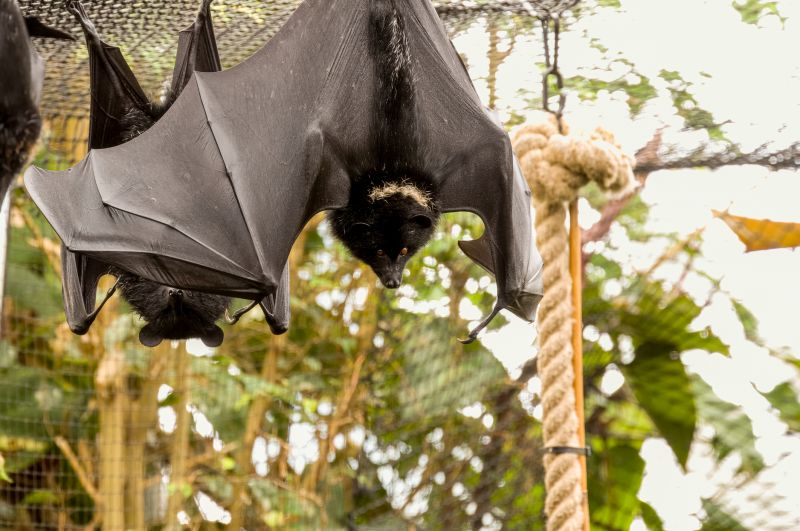
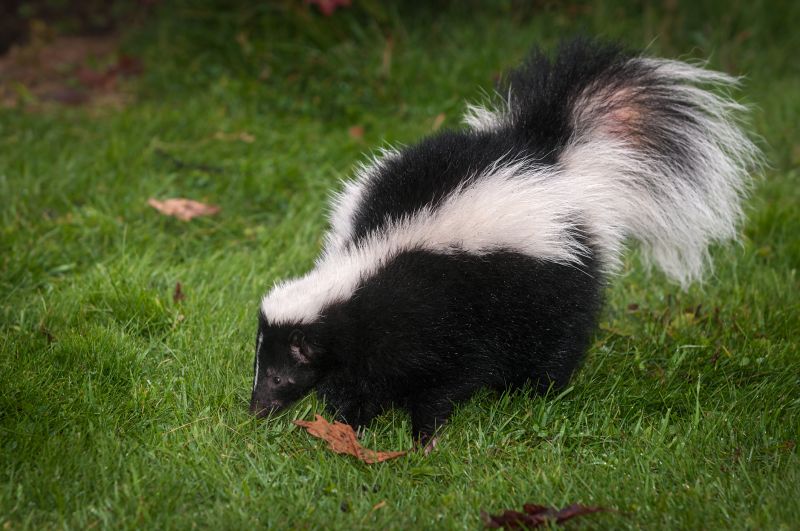
When homeowners notice unusual sounds or disturbances in their homes, they often search for signs wildlife has moved into your attic, walls, or crawl space. These signs typically include scratching or scurrying noises, especially at night, which can indicate animals like raccoons, squirrels, or bats have taken up residence. Visible damage such as chewed wiring, gnawed wood, or shredded insulation may also point to wildlife activity. Additionally, odors from animal droppings or urine and the presence of droppings or nesting materials near entry points are common indicators. Recognizing these signs early is crucial, as wildlife can cause significant property damage and pose health risks.
The problems associated with wildlife inhabiting hidden parts of a home extend beyond property damage. Animals in these areas can create fire hazards by damaging electrical wiring or compromise insulation, leading to higher energy costs. They may also leave behind waste that attracts other pests or spreads disease. In some cases, wildlife can even cause structural issues if their activity weakens the building’s framework. Homeowners often seek solutions to remove the animals safely and effectively, with plans to repair entry points and prevent future invasions. Engaging with local wildlife removal service providers can help address these issues professionally, ensuring the problem is handled humanely and thoroughly.
Properties prone to wildlife intrusion often include older homes with accessible attics or crawl spaces, as well as those with overgrown landscaping or nearby trees that provide easy access for animals. Rural properties, farms, and homes near wooded areas are particularly vulnerable, but urban dwellings are not immune, especially if there are gaps or openings in the roof or foundation. Attics and wall cavities are common nesting spots because they offer shelter and safety from predators. Identifying signs of wildlife in these areas is essential for homeowners planning repairs or pest control measures. Local contractors specializing in wildlife removal can evaluate the property’s vulnerabilities and implement effective exclusion strategies.
Understanding the signs that wildlife has moved into your attic, walls, or crawl space helps homeowners take timely action to protect their homes. Recognizing the early warning signs can prevent extensive damage and health hazards. When these signs are detected, working with experienced local service providers ensures that animals are removed safely and humanely, and that the home is sealed against future invasions. These professionals can also assist with repairs to damaged areas and advise on prevention methods. Proper identification and prompt intervention are key steps in maintaining a safe, animal-free living environment, making the connection to local wildlife removal services a practical choice for homeowners facing this challenge.
Attic insulation installation - professionals who install or upgrade attic insulation can help prevent wildlife from nesting by sealing entry points and making spaces less inviting.
Home sealing and weatherproofing - local contractors skilled in sealing gaps and cracks can block access points that wildlife uses to enter walls or crawl spaces.
Venting and attic access repair - specialists who repair or replace attic vents and access points help reduce entry points that attract animals into your home.
Pest proofing services - experts in pest proofing can identify and seal openings that wildlife may use to move into interior spaces like walls or attics.
Crawl space encapsulation - service providers who encapsulate crawl spaces can also address entry points and improve overall home barrier defenses against wildlife.
Structural repair and reinforcement - contractors capable of repairing damaged siding or roofing can help eliminate existing entry points for wildlife intrusion.
When comparing wildlife removal services, it’s important to consider the experience of local contractors with similar projects. Homeowners should inquire about how long a service provider has been handling wildlife intrusion issues like signs wildlife has moved into your attic, walls, or crawl space. An experienced professional will have encountered a variety of situations and be familiar with effective removal and exclusion techniques. This background can help ensure that the wildlife is safely and thoroughly removed, and that the property is properly secured against future intrusions.
Clear written expectations are essential when evaluating wildlife removal services. Homeowners should seek detailed information about what the process will involve, including inspection, removal, and repair work. A reputable service provider will be transparent about the scope of work and any necessary follow-up actions. Having these expectations clearly outlined helps prevent misunderstandings and provides peace of mind that the project will address the root of the problem, especially when dealing with signs wildlife has moved into your attic, walls, or crawl space.
Reputable references and good communication are key factors to consider. Homeowners are encouraged to ask potential service providers for references from past clients who had similar wildlife issues. Listening to feedback about their experiences can offer insight into the quality of work and professionalism. Additionally, a service provider who communicates clearly and promptly can help homeowners feel confident throughout the process, ensuring questions are answered and concerns are addressed. This open dialogue is especially valuable when dealing with signs wildlife has moved into your attic, walls, or crawl space, as it helps ensure the project is managed smoothly and effectively.
Property owners often search for signs wildlife has moved into your attic, walls, or crawl space when they are planning practical projects around their homes and businesses. Local pros provide Wildlife Removal services for everyday jobs and straightforward project options.
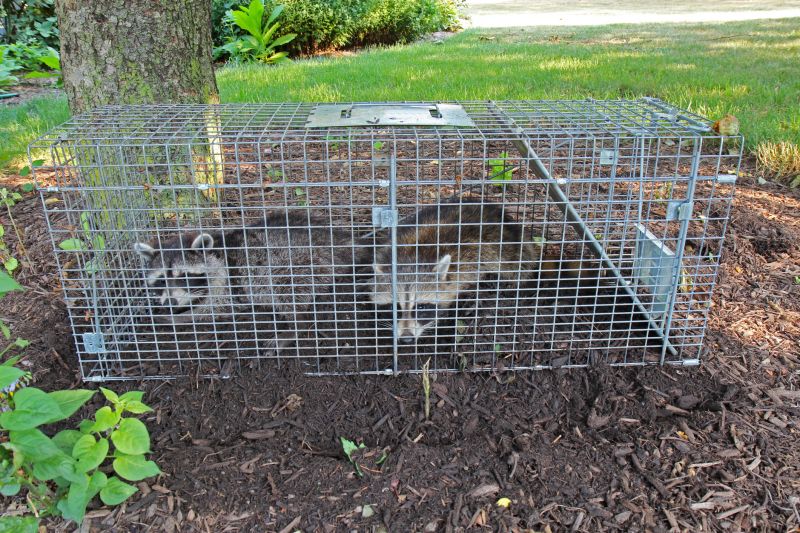
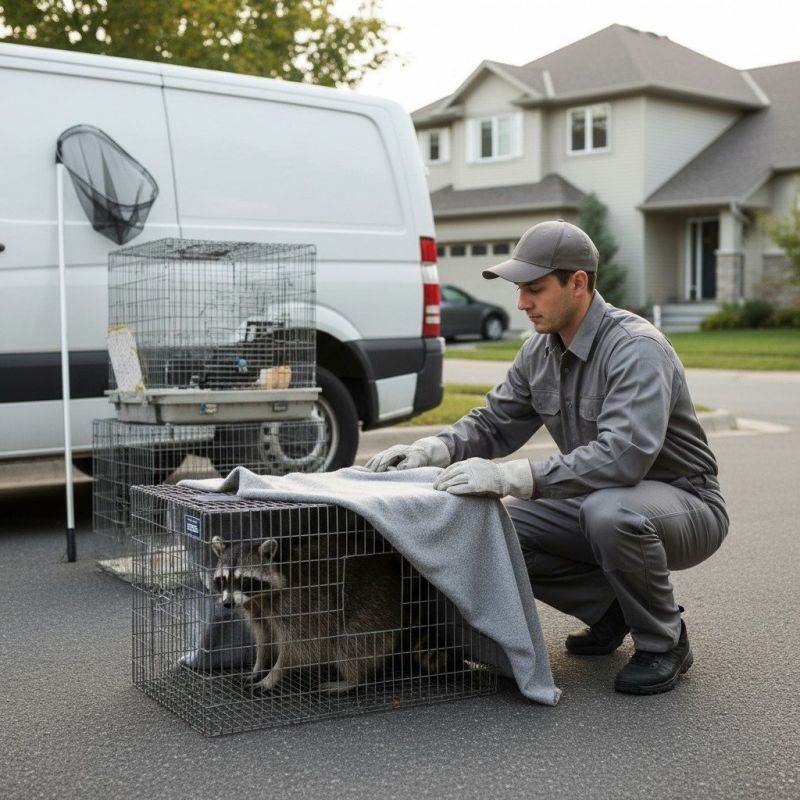
Recognizing signs wildlife has moved into your attic, walls, or crawl space can often be straightforward for property owners who notice unusual sounds or disturbances. Noises such as scratching, scurrying, or squeaking, especially during quiet times or at night, may indicate the presence of small animals like raccoons, squirrels, or bats. Additionally, you might observe droppings, chewed wiring or insulation, or even an unpleasant odor that suggests animals have made your home their new habitat. These signs commonly prompt property owners to seek the expertise of local service providers who specialize in wildlife removal, ensuring the animals are safely and humanely removed from the property.
Other indicators include nests or bedding materials found in hidden corners or tight spaces, as well as damage to structural elements or insulation. Sometimes, entry points such as holes or gaps around vents, soffits, or eaves become visible, revealing how animals gained access. Recognizing these signs early can help property owners prevent further damage and potential health risks. When these issues are noticed, local contractors experienced in wildlife removal can assess the situation and implement appropriate removal and exclusion methods to restore the safety and integrity of the home.
What are common signs wildlife has moved into your attic, walls, or crawl space? You may notice scratching or scurrying sounds, droppings, or damage to insulation and wiring, indicating wildlife presence.
How can I tell if animals are active inside my walls or attic? Visible nests, chewed materials, or unusual odors can suggest animals have taken up residence in these areas.
What should I do if I find signs of wildlife in my home’s hidden spaces? It is recommended to contact local service providers who specialize in wildlife removal to safely address the issue.
Are there specific signs that indicate wildlife has moved into a crawl space? Signs include persistent noises, foul smells, or the presence of droppings and nesting materials in the crawl area.
Why is it important to have wildlife removed by professionals? Professionals can safely and effectively remove animals and prevent future entry points, protecting the home’s integrity and safety.
Identify entry points - inspecting your property for small openings can help determine where wildlife may be entering attic, walls, or crawl space areas, and local contractors can assist with sealing these access points.
Monitor for signs of activity - noticing noises, droppings, or nesting materials can indicate wildlife presence, and service providers can evaluate the extent of the issue.
Check for damage - damaged insulation, chewed wiring, or gnawed wood can signal wildlife intrusion, prompting professional removal and repair services.
Schedule a professional inspection - a thorough evaluation by wildlife removal experts can confirm signs of wildlife and recommend effective exclusion methods.
If you are thinking about signs wildlife has moved into your attic, walls, or crawl space for a property, this guide is meant to help you understand this topic, the typical project types, and how different options might fit your plans.
When you are ready, you can use the quote form on this page to share a few details about your project. From there, local pros can review the basics and follow up with options that match what you have in mind.