Compare Local Contractors for Small Animal Removal Services
Compare local contractors for small animal removal to define scope, verify experience, and set clear expectations in writing for effective property protection.
Small animal removal services typically cover the identification, humane capture, and exclusion of nuisance animals such as raccoons, squirrels, bats, or skunks that have taken up residence on a property. These contractors often handle activities like inspecting structures for entry points, setting traps or deterrents, and sealing openings to prevent future incursions. Properly addressing these issues not only resolves immediate concerns but also helps protect the integrity of the property and reduces the risk of damage or health hazards associated with unwanted wildlife.
Defining the scope of work is a crucial step when engaging with contractors for small animal removal. Clear communication about the specific animals involved, the extent of infestation, and the desired outcomes ensures that both property owners and service providers are aligned. Having a written outline of the tasks involved-such as inspection, removal, exclusion, and follow-up-can help prevent misunderstandings and set realistic expectations. This clarity is especially important when dealing with structural modifications or ongoing prevention measures.
Property owners can compare local contractors by examining their experience with similar jobs, the methods they use, and their approach to customer service. It’s helpful to ask for details about their process, the types of animals they handle, and how they plan to ensure the problem is fully resolved. Verifying that contractors are transparent about their procedures and can provide a detailed scope of work in writing can make it easier to evaluate their suitability. By reviewing credentials, asking questions, and comparing how each service provider approaches small animal removal, property owners can find professionals who meet their needs and preferences.
Compare local contractors by outlining priorities, verifying experience, and setting clear expectations in writing.
- Verify Experience - Ensure contractors have a proven track record with small animal removal projects.
- Define Scope Clearly - Clearly outline the work to be performed to set accurate expectations.
- Compare Multiple Contractors - Review different service providers to find the best match for specific needs.
- Request Written Agreements - Obtain detailed, written documentation of the scope and terms before work begins.
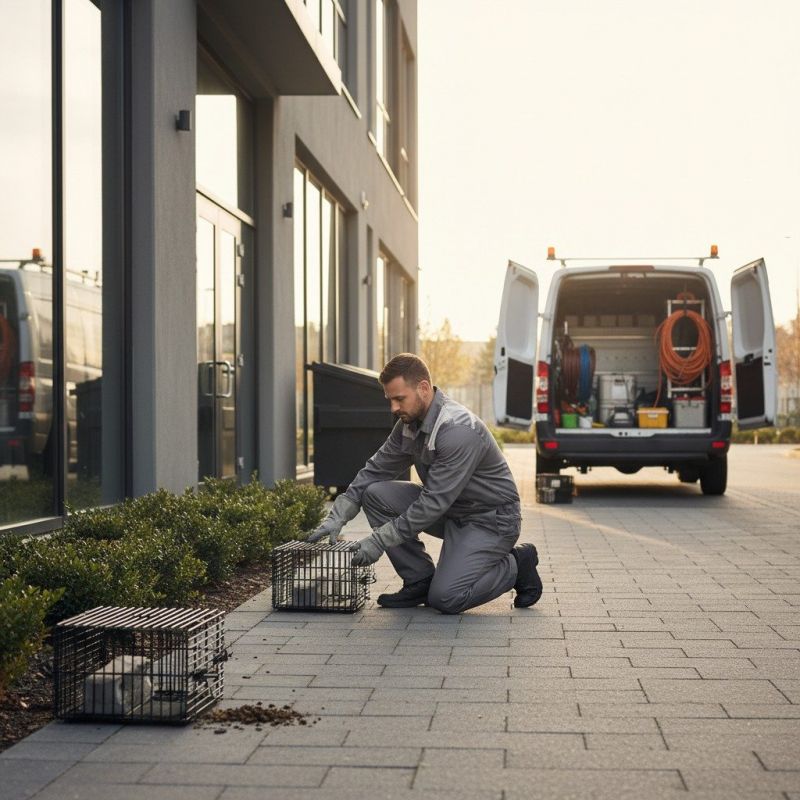
Clearly describe your small animal removal project and compare local contractors based on experience and scope.
- Identify the types of small animals the contractor has experience removing. Verify that the scope of work clearly includes removal, exclusion, and cleanup procedures.
- Ensure the contractor provides a detailed written estimate outlining the services included. Confirm that the scope and expectations are documented to prevent misunderstandings.
- Ask about the methods used for animal removal to ensure humane and effective techniques are employed. Consider how the contractor plans to prevent future intrusions during the process.
- Check if the contractor inspects the entire property to identify entry points and potential nesting areas. Clarify whether the scope covers repairs to prevent re-entry after removal.
- Review the contractor’s experience with similar small animal removal projects in the local area. Ensure the service providers are familiar with common local wildlife behaviors and entry points.
- Discuss the process for disposal of removed animals and cleanup of the affected areas. Confirm that the scope includes restoring the property to its pre-infestation condition.
Compare local contractors, clarify scope, verify experience, and set clear expectations in writing.
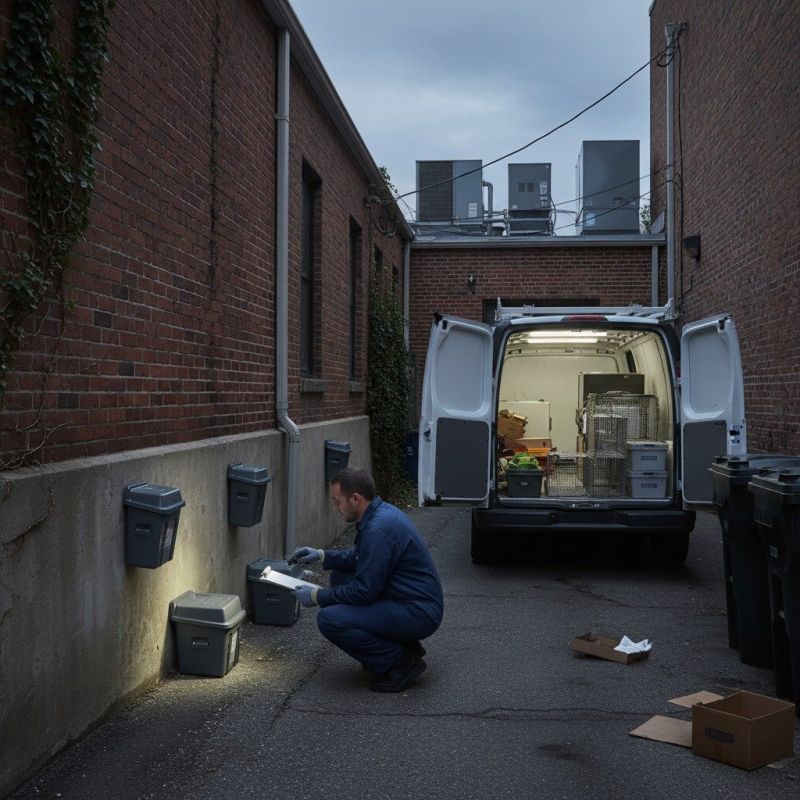
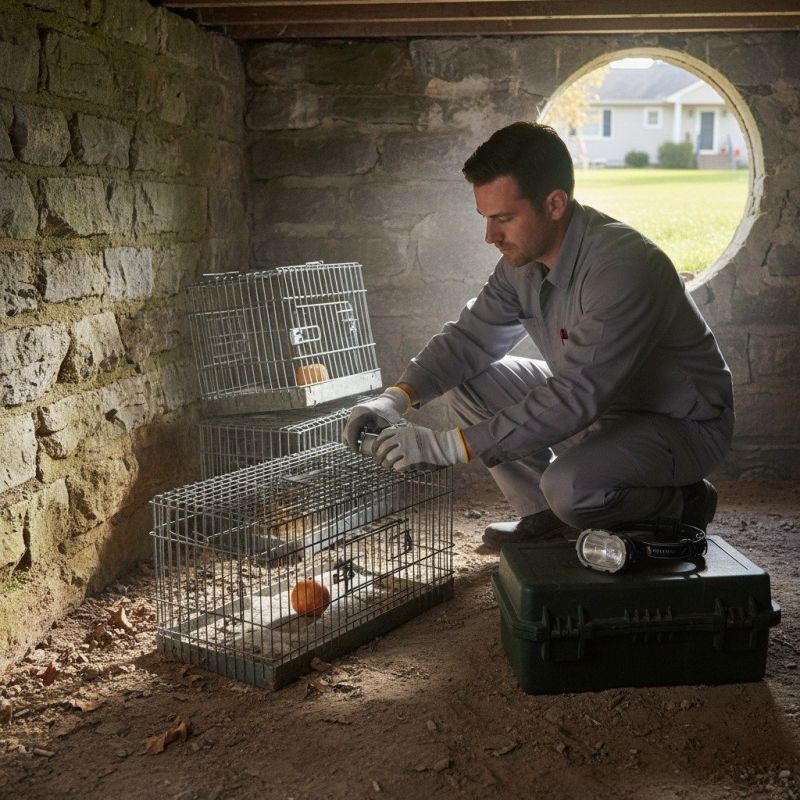
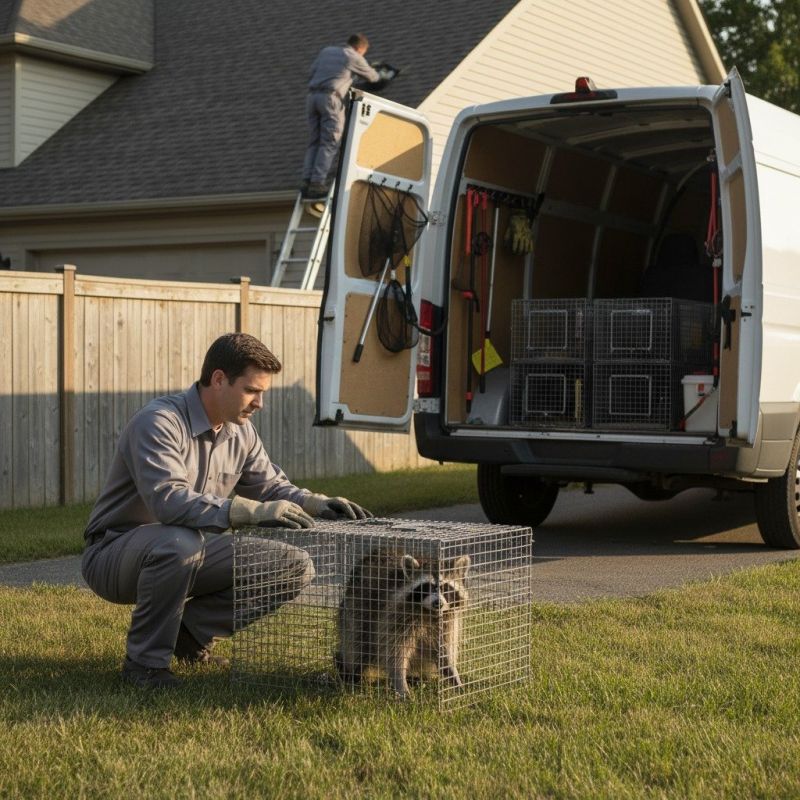
Use consistent scope definitions and verify experience across local contractors to ensure clear, comparable small animal removal services.
- Scope Definition - Clearly outline the specific types of small animals to be removed and the affected areas involved.
- Experience Verification - Confirm that service providers have relevant experience handling small animal removal in similar environments.
- Methodology Outline - Specify the techniques and tools that will be used to ensure effective and humane removal.
- Exclusion of Costs and Timelines - Focus on defining the scope without including pricing, scheduling, or time estimates.
- Written Agreement - Ensure all scope details and expectations are documented in a formal agreement before work begins.
When evaluating contractors for small animal removal, it is important to consider their experience with similar projects. Service providers who have a track record of handling cases involving the specific types of animals present can often demonstrate familiarity with effective removal techniques and common challenges. Asking about past work or requesting references related to comparable situations can help gauge their practical knowledge and ability to manage the unique aspects of your situation.
A clear, written scope of work is essential to ensure mutual understanding and set expectations for the project. A detailed description of the services to be performed, including the methods of removal, exclusion procedures, and any follow-up steps, helps prevent misunderstandings. Homeowners should seek service providers who can provide a comprehensive written outline, clarifying what is included and what is not, so there are no surprises once the project begins.
Verification basics involve confirming that the contractor’s experience aligns with the specific needs of the project. This can include reviewing their history of similar jobs, understanding their familiarity with local wildlife, and ensuring they follow established best practices. It’s also helpful to verify that the contractor can provide documentation or references that attest to their ability to successfully complete small animal removal projects, giving confidence in their practical expertise.
When comparing options, focus on the clarity of communication, the thoroughness of the scope, and the contractor’s demonstrated experience. It is advisable to ask potential service providers to describe their approach to the project and to provide written documentation of the scope of work. This helps ensure that expectations are aligned and that the selected contractor has the appropriate background for the specific animal removal needs. Remember, this site functions as a neutral guide and lead generation resource, connecting homeowners with local service providers rather than performing the work directly.
Request written scope and expectations from service providers to ensure clarity and consistent project understanding.
- Scope of Work - What specific services are included in the animal removal process offered by local contractors?
- Experience and Expertise - How do contractors demonstrate their experience with small animal removal in similar situations?
- Methods and Techniques - What removal methods do service providers typically use, and how do they ensure humane practices?
- Scope Clarification - Can the contractor clearly outline what is and isn't included in their removal services?
- Written Agreement - Is there a detailed written scope of work that defines expectations and responsibilities?
What should I consider when comparing small animal removal contractors? It's important to evaluate their experience, services offered, and reputation. Ensuring they clearly define the scope of work and provide written agreements can help set proper expectations.
How can I verify a contractor’s experience with small animal removal? Ask for details about their past projects and specific expertise in handling the types of animals you're dealing with. Checking references or reviews can also provide insight into their capabilities.
What questions should I ask to define the scope of the removal service? Inquire about the methods they use, the areas covered, and whether they include inspection, removal, and damage repair. Clarify what is included and what is not in the service.
Why is it important to have a written agreement with a contractor? A written agreement helps ensure both parties agree on the scope, responsibilities, and expectations, reducing misunderstandings and providing clear documentation of the work to be performed.
How can I ensure a small animal removal contractor is qualified? Review their experience, ask about their process, and verify that they follow industry best practices. Confirm that they are transparent about their methods and scope of work.
What are the benefits of comparing multiple local contractors? Comparing different service providers allows for better understanding of available options, helps identify those with the right experience, and ensures you find a contractor that meets your specific needs.
This page has highlighted the importance of clearly defining the scope of a small animal removal project, verifying the experience of local contractors, and setting expectations in writing to ensure a smooth process. Visitors now understand how to compare different service providers and what key details to consider when selecting a contractor for their needs. To find the right fit, use the quote form to connect with local service providers who can handle the job effectively and professionally.
Utilizing the quote form allows for easy comparison of local contractors specializing in small animal removal. It provides a straightforward way to gather information, review options, and identify service providers that meet specific project requirements. Taking this step helps ensure that the chosen contractor aligns with the scope and expectations, making it simpler to move forward with confidence.